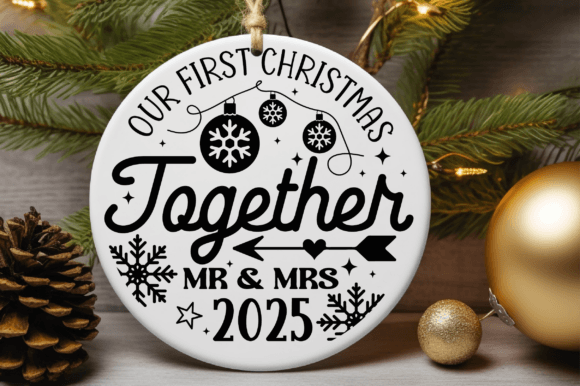
Reviewing Our First Christmas Together Mr Mrs 20 for Embroidery
As a designer who has spent countless hours digitizing and stitching out holiday motifs, I approach every new machine embroidery design with a mix of excitement and skepticism. The market is flooded with seasonal graphics, but few stand up to the rigorous demands of actual fabric work. Recently, I evaluated Our First Christmas Together Mr Mrs 20 to determine if it belongs in my active library of commercial assets or if it should remain a digital curiosity. This review focuses on practical application, stitch performance, and real-world viability for crafters and small business owners.
First Impressions and Visual Personality
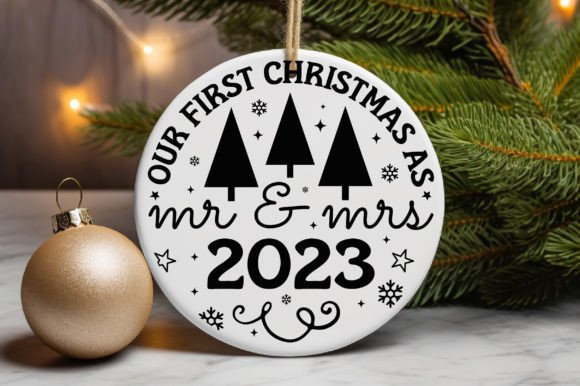
The initial visual impact of Our First Christmas Together Mr Mrs 20 is warm and nostalgic. It captures that specific, tender milestone of a newlywed couple’s first holiday season. The layout typically features balanced typography paired with festive iconography, creating a mood that is celebratory yet intimate. For an embroidery project, this emotional resonance is crucial. Customers are not just buying a stitched pattern; they are buying a memory.
From a design perspective, the clarity of the lettering is paramount. In many digital files, intricate scripts can become muddy when converted to thread. However, this design appears to prioritize legibility. The spacing between characters suggests thoughtful digitizing, aiming to prevent thread breaks and excessive puckering. The thematic elements complement the text without overwhelming it, ensuring the message remains the focal point. This balance makes it suitable for a wide range of handmade product categories, from delicate baby items to sturdy home decor.
Real-World Application: The Custom Sweatshirt Test
To truly understand how Our First Christmas Together Mr Mrs 20 performs, I imagined a common scenario for an Etsy seller: a custom order for a matching couple’s sweatshirt set. The client wants something wearable, not just decorative. Here, the design’s scale and density become critical factors.
When applied to a cotton-blend sweatshirt, the design needs enough structure to hold its shape but not so much density that it creates a stiff, uncomfortable patch on the chest. If the file utilizes a mix of satin stitch for borders and fill stitch for larger areas, it will likely provide a premium look. I would recommend testing the design on scrap fabric first to gauge the hand feel. If the stitch count is too high, the garment may pull or distort. Conversely, if the density is too low, the underlying fabric might show through, especially on heathered or dark-colored materials.
This specific design shines in custom apparel because it serves as a statement piece. It is not merely an accent; it is the main event. For a small shop product, this means higher perceived value. Customers are willing to pay more for personalized, milestone-specific items. By using this graphic on a high-quality fleece or French terry cloth, you elevate the finished product from a simple gift to a cherished keepsake.
Navigating Fabric and Hoop Constraints
While the design is versatile, it is not universal. There are specific scenarios where caution is required. For instance, using Our First Christmas Together Mr Mrs 20 on a curved surface like a cap requires careful consideration of hoop size and stabilization. Caps have limited flat space, and complex lettering can distort if not properly backed. A cut-away stabilizer is essential here to maintain integrity through wear and washing.
Similarly, textured fabrics pose a challenge. If you are stitching onto a waffle-knit towel or a rough linen pillow cover, the fine details of the design might get lost in the weave. In such cases, I advise using a water-soluble topping to keep the stitches sitting on top of the texture rather than sinking into it. For thin or stretchy fabrics, such as those used in baby embroidery projects, a lightweight tear-away stabilizer combined with a gentle needle can prevent damage to the garment.
It is also vital to check the recommended hoop size before starting. If the design is large, it may require a 5x7 or even 6x10 hoop. Attempting to resize it significantly for a smaller 4x4 hoop could compromise the readability of the text. Always verify the dimensions provided in the digital embroidery file package to ensure it fits your intended substrate.
Commercial Viability and Brand Consistency
For craft business owners, consistency is key to building trust. Our First Christmas Together Mr Mrs 20 offers a professional aesthetic that aligns well with boutique branding. When used in commercial embroidery, it reflects attention to detail. The clean lines and balanced composition suggest a high-quality embroidery file, which translates to customer satisfaction.
This design is particularly effective for holiday embroidery collections. It can be paired with other seasonal motifs to create a cohesive line of products. Whether used on tote bags, aprons, or pillow covers, it maintains its visual appeal. The versatility allows sellers to expand their inventory without needing entirely new digitizing work. By incorporating this into your design assets, you can quickly produce varied items that appeal to different customer segments.
However, always confirm licensing terms. While many files allow for commercial use of finished physical items, restrictions may apply to digital resale. Ensure you are compliant with the creator’s terms before listing products on platforms like Etsy or at local craft fairs. This diligence protects your business and respects the intellectual property of the designer.
Practical Designer Notes for Best Results
Before committing to a full production run, follow these practical steps to ensure success with Our First Christmas Together Mr Mrs 20:
- Test on Scrap Fabric: Always stitch out a sample on the same type of fabric you plan to use for the final product. This reveals any tension issues or density problems.
- Check Thread Contrast: Use high-contrast thread colors for the first test run. This makes it easier to inspect stitch quality and identify any gaps or overlaps.
- Review Stitch Density: If the design feels too stiff, consider reducing the density slightly in your editing software, if permitted, or using a lighter weight thread.
- Inspect Small Details: Zoom in on the digitized preview to check for tiny, isolated stitches that might cause thread breaks or bird nests.
- Mockup in Black and White: View the design in grayscale to assess value and contrast independent of color. This helps ensure the design reads well on various fabric shades.
- Verify File Formats: Ensure the package includes the correct format for your machine (e.g., PES, DST, JEF) to avoid conversion errors that can alter stitch paths.
In conclusion, Our First Christmas Together Mr Mrs 20 is a strong contender for any designer’s holiday repertoire. It balances emotional appeal with technical feasibility, making it a reliable choice for both personal gifts and commercial ventures. By understanding its strengths and limitations, you can leverage this Graphics asset to create stunning, high-value Crafts that resonate with customers. Remember, the best embroidery is not just about the stitch; it is about the story it tells on the fabric.