Reviewing All I Want for Christmas Funny for Embroidery
As a designer who has spent years digitizing and stitching out countless holiday motifs, I approach every new machine embroidery design with a mix of excitement and skepticism. The market is flooded with seasonal graphics, but few stand up to the rigors of actual stitching on textured fabrics. Recently, I evaluated All I Want for Christmas Funny to determine if it holds up in a real-world production environment. This isn’t just about how it looks on a screen; it is about how it performs under the needle, how it reads from a distance, and whether it adds genuine value to a handmade product.
First Impressions and Visual Personality
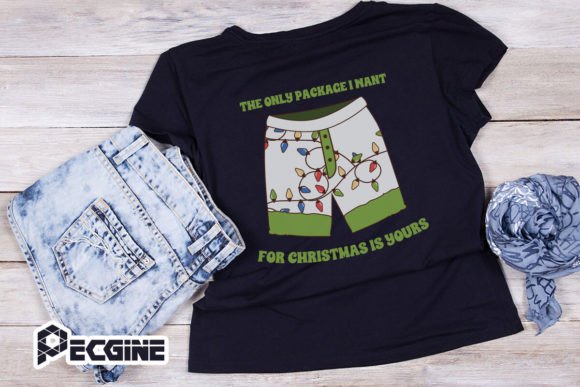
The immediate appeal of All I Want for Christmas Funny lies in its playful tone. Holiday designs often lean heavily into traditional elegance or overly complex scenes, but this piece captures a lighter, more humorous mood. For an embroidery project, this is crucial. Customers browsing Etsy or visiting craft fairs are often looking for items that spark joy or conversation. The layout appears balanced, avoiding the clutter that can cause thread breaks or puckering. When I first loaded the file into my editing software, I looked closely at the pathing. A clean digital file is the foundation of a quality stitch-out, and this design seems to prioritize logical flow, which suggests fewer jumps and trims during the actual embroidery process.
Real-World Application: The Tote Bag Test
To truly understand the utility of this design, I visualized it on a canvas tote bag. This is a staple item for any small shop product line, especially during the holiday rush. The design’s scale seemed appropriate for a standard hoop, likely fitting comfortably within a 5x7 or 6x10 area, though you must verify the specific dimensions in your software. On a natural cotton canvas, the contrast between the thread colors and the fabric texture would be key. I imagined using a bold red or green satin stitch for the main elements, paired with a neutral background. The result would be a sturdy, giftable item that feels professional rather than homemade in a messy way. For an Etsy seller, this kind of reliability translates directly to positive reviews and repeat customers.
Versatility Across Product Lines
Beyond tote bags, All I Want for Christmas Funny shows promise for custom apparel. Sweatshirt embroidery requires careful attention to stitch density to avoid stiffness. If this design utilizes fill stitches efficiently, it could work beautifully on the chest of a fleece-lined hoodie. It also suits baby embroidery projects, provided the scale is reduced appropriately and soft threads are used. For those creating personalized gifts, such as aprons or kitchen towels, the humorous aspect adds a layer of charm that plain text lacks. However, when considering curved surfaces like caps, one must be cautious. Complex details can distort on rounded fronts, so testing on a scrap piece of structured cap material is essential before committing to a final product.
Technical Considerations for Stitching
From a technical standpoint, the file formats provided—SVG, PNG, DXF, and EPS—indicate versatility for both cutting machines and embroidery software. However, as an embroiderer, my focus remains on how these vector shapes translate into stitches. The transparent background mentioned in the description is a significant advantage for creating printable mockups. Being able to overlay the design on various fabric textures digitally allows for better pre-sales visualization. This is a critical tool for digital product sellers and creative entrepreneurs who need to showcase their work without physically stitching every color variant.
When dealing with dark fabric, the visibility of the design depends heavily on thread color choice. A light-colored thread on navy or black cotton can pop dramatically, but it requires precise tension settings. Conversely, on thin fabric, high stitch density can cause pulling. I recommend using a cut-away stabilizer for stretchy materials like jersey knits and a tear-away for stable wovens. Always test the design on scrap fabric first. This simple step saves time, thread, and frustration. Check for any tiny lettering or intricate corners that might not stitch out cleanly at smaller sizes. If the design includes fine details, consider simplifying them or increasing the size to maintain clarity.
Navigating Commercial Use and Licensing
For craft business owners and commercial embroidery professionals, understanding licensing is non-negotiable. While the product description lists the file types, it does not explicitly state the commercial usage rights. Before selling finished items or including this in a boutique branding package, you must confirm the license terms with the creator. Using a design without proper clearance can lead to serious legal issues. Assuming commercial use is permitted, this design fits well into a holiday collection. It offers a fresh alternative to standard snowflakes and reindeer, helping your brand stand out in a saturated market.
Enhancing Customer Trust and Engagement
A well-executed embroidery project builds customer trust. When a buyer receives a sweatshirt or pillow cover with crisp, clean stitching, they perceive higher value. All I Want for Christmas Funny contributes to this perception if handled correctly. The humor invites engagement; people are more likely to share photos of unique, funny items on social media, providing organic marketing for your small shop. Ensure that your finished product presentation matches the quality of the design. Use high-quality thread colors that complement the theme, and press the item carefully to remove any hoop marks. These finishing touches elevate a simple crafts item into a desirable gift.
Final Verdict for Designers and Makers
In summary, All I Want for Christmas Funny is a strong contender for your holiday lineup. Its strength lies in its adaptability and cheerful aesthetic. Whether you are creating embroidered patches, nursery decor, or festive tea towels, this design offers a solid foundation. Remember to respect the limitations of your machine and fabric. Test stitch densities, adjust pull compensation if necessary, and always prioritize readability. For hobbyists and makers, it provides a fun challenge; for professionals, it offers a reliable asset for client projects. By combining this graphic with thoughtful execution, you can create products that not only look good but also resonate with buyers seeking warmth and humor during the holiday season.