Stitching Spooky Season Halloween Trick or Treat
As an embroidery designer who has spent countless hours digitizing and testing files for real-world application, I approach every new machine embroidery design with a critical eye. It is not enough for a graphic to look cute on a screen; it must translate seamlessly into thread, withstand the tension of the needle, and hold up under the scrutiny of a paying customer. Recently, I evaluated the Spooky Season Halloween Trick or Treat asset to determine its viability for commercial and personal projects. This review breaks down how this specific Graphics resource performs when moved from digital concept to tangible embroidery project.
First Impressions and Visual Personality
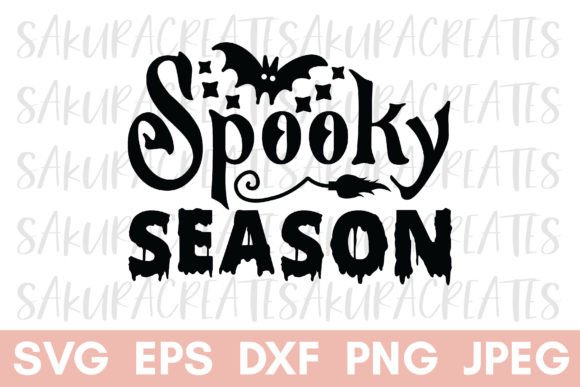
The initial appeal of Spooky Season Halloween Trick or Treat lies in its balanced thematic elements. It captures the playful yet eerie essence of October without relying on overly complex shading that often causes stitching issues. The layout suggests a design meant to be bold and readable, which is crucial for seasonal merchandise. When I visualize this as a finished product, I see it working best on items where the central motif can breathe. The mood is lighthearted, making it ideal for family-oriented goods rather than horror-themed decor.
For those of us in the Crafts industry, understanding the visual weight of a design is key. This piece appears to have a strong central focus, likely incorporating classic iconography such as pumpkins or whimsical text. This simplicity is a strength. Overly detailed vector files often result in messy fill stitch areas or broken satin stitch columns when scaled down. A design like this, with clear lines and defined shapes, offers a higher success rate across various fabric types.
Real-World Application Scenarios
To truly test the versatility of Spooky Season Halloween Trick or Treat, I considered several common production scenarios. The most immediate application that comes to mind is sweatshirt embroidery. A crewneck sweatshirt provides a stable, thick canvas that supports moderate stitch density without puckering. Placing this design on the left chest or as a larger back print could create a high-value custom apparel item for boutique shops.
Another strong contender is the tote bag design. Canvas totes are staples for Etsy seller inventories during the fall season. The durability of canvas pairs well with dense stitching, ensuring the design survives repeated washing and heavy use. If the design includes lettering, ensuring the font size is substantial enough to remain legible on textured canvas is vital. For a personalized gift, adding a name below the main motif could elevate the perceived value, turning a standard holiday item into a cherished keepsake.
I also evaluated its potential for baby embroidery. While the theme is Halloween, the playful nature makes it suitable for infant onesies or toddler tees. However, this requires careful scaling. Small hoops demand precision. If the design contains intricate details, they may get lost or cause fabric distortion on delicate cotton knits. In this context, simplifying the stitch count or using an applique design technique might be necessary to maintain comfort and structural integrity.
Technical Considerations for Stitching
Before loading any digital embroidery file into your machine, technical due diligence is non-negotiable. Since the source description mentions SVG and vector formats typically used for cutting machines like Cricut, it is imperative to verify if a dedicated embroidery file format (such as PES, DST, or EXP) is included or if digitization is required. If you are converting from SVG, pay close attention to stitch density. Vector paths do not automatically translate to optimal stitch patterns.
When working with Spooky Season Halloween Trick or Treat, consider the following technical adjustments:
- Stabilizer Selection: Use a cut-away stabilizer for stretchy fabrics like jersey tees to prevent distortion. For woven fabrics like tote bags, a tear-away may suffice, but hooping stability is critical.
- Thread Color Contrast: Test the design in black and white mockups first. This helps identify if certain elements blend together. High contrast between the thread and fabric ensures the design pops, especially on dark materials common in Halloween themes.
- Hoop Size Compatibility: Confirm the design dimensions fit your available hoops. If scaling is required, ensure that small text or fine lines do not become too thin to stitch reliably. A running stitch outline might need adjustment if scaled significantly.
- Fabric Texture: Textured fabrics like terry cloth or fleece can swallow small details. If using this design on such materials, consider increasing the size or simplifying the inner details to maintain clarity.
Navigating Challenges and Limitations
No design is universally perfect, and Spooky Season Halloween Trick or Treat requires careful placement in certain contexts. Curved surfaces, such as caps or hats, present a challenge. If the design is wide, it may wrap around the curve awkwardly, causing visibility issues from the front. In such cases, splitting the design or choosing a narrower variant is advisable. Additionally, avoid placing dense stitch areas near seams or zippers, as this can lead to needle breaks or uneven feeding.
For commercial embroidery runs, consistency is key. If you plan to produce this as a small shop product, run a test batch on scrap fabric identical to your final material. Check for thread breaks, trimming issues, and overall alignment. This step saves time and reduces waste, protecting your profit margins. Remember, a handmade product must look professional to justify its price point. Sloppy stitching due to poor file preparation can damage your brand reputation.
Enhancing Product Value and Brand Consistency
Integrating Spooky Season Halloween Trick or Treat into your lineup can boost seasonal engagement. For design assets used in marketing, create high-quality printable mockup images that show the texture of the stitches. Customers buying online cannot touch the product, so visual cues about quality are essential. Show the design on different backgrounds to demonstrate versatility.
From a branding perspective, ensure this design aligns with your shop’s aesthetic. If your brand focuses on minimalist modern decor, a busy Halloween graphic might feel out of place. However, if your niche includes festive, family-friendly items, this design fits naturally. It serves as an excellent entry point for customers looking for affordable holiday embroidery gifts, potentially leading to repeat business for other seasons.
Final Verdict for Designers and Makers
The Spooky Season Halloween Trick or Treat design holds promise for a variety of embroidery file applications, provided it is handled with technical care. Its strength lies in its thematic clarity and potential for broad appeal across apparel and home goods. For craft business owners, it represents a timely opportunity to expand inventory with low-risk, high-demand items.
Always verify licensing terms before selling finished items. Ensure the file format matches your machine’s requirements, and never skip the test stitch phase. By treating this graphic as a component of a larger production strategy rather than just a standalone image, you can maximize its potential. Whether you are creating an embroidered patch for a jacket or a festive pillow cover, attention to detail in execution will define the success of the final piece. Embrace the season, but stitch with precision.