Reviewing the Funny Doughnut SVG Bundle for Embroidery
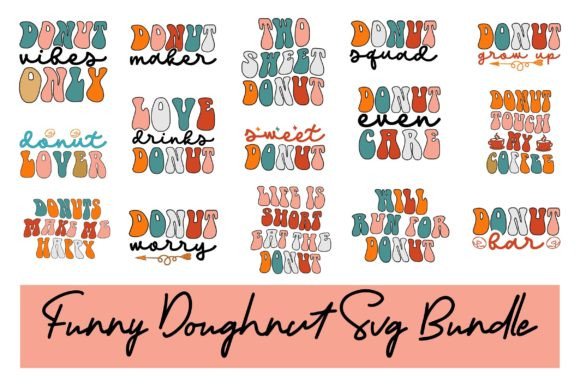
As a designer who has spent countless hours digitizing and stitching out thousands of designs, I approach every new asset with a mix of curiosity and skepticism. We all know that what looks crisp on a screen does not always translate well to thread and fabric. When I first opened the Funny Doughnut Svg Bundle, my immediate goal was to determine if these playful graphics could hold up under the needle of an embroidery machine or if they were strictly meant for vinyl cutting. The bundle includes fifteen files in SVG, DXF, PNG, and EPS formats, which suggests a versatile toolkit for various creative entrepreneurs, but the real test is in the stitching.
First Impressions and Visual Personality
The mood of this collection is undeniably cheerful. Doughnuts are a universal symbol of comfort and indulgence, and the "funny" aspect implies whimsical faces, quirky toppings, or humorous phrases. For an embroidery project, this visual personality is a double-edged sword. On one hand, it attracts attention and creates an instant emotional connection with the viewer. On the other hand, humor often relies on small details—tiny eyes, subtle smiles, or fine text—that can get lost in translation when converted from vector lines to satin stitches or fill stitches.
Looking at the shapes, the roundness of the doughnut provides a natural frame for embroidery. However, the complexity of the toppings—sprinkles, drizzles, and glazes—requires careful evaluation. In a machine embroidery design, too much detail in a small area leads to high stitch density, which can cause puckering or thread breaks. My initial assessment is that these designs would work best as applique elements rather than full-fill embroidery, allowing the fabric texture to show through the doughnut base while using thread only for the decorative accents.
Real-World Application: The Custom Tote Bag Test
To evaluate practicality, I imagined a common scenario for many Etsy sellers and craft business owners: creating a custom embroidered tote bag for a local bakery or a birthday gift. A tote bag offers a large, flat surface, making it ideal for testing the scale of the Funny Doughnut Svg Bundle.
If I were to use one of these designs on a canvas tote, I would likely choose a larger hoop size to ensure the details remain clear. The transparent background PNGs included in the bundle are particularly useful here for creating printable mockups to show clients before stitching begins. This step is crucial for maintaining customer trust and ensuring the final product matches their expectations. The SVG and DXF files, while primarily compatible with cutting machines like Cricut and Silhouette, can also serve as a reference for manual digitizing if you need to adjust the pathing for your specific embroidery software.
For a sweatshirt or hoodie, the application changes. The fabric is thicker and often textured. In this case, I would recommend using a stabilizer that can handle the weight of the thread without adding stiffness. The playful nature of the doughnut design fits perfectly with casual custom apparel, appealing to both teens and adults who appreciate whimsical handmade products.
Navigating Fabric and Technical Constraints
Not every project is a flat cotton tote. When considering baby embroidery on onesies or embroidered patches for caps, the limitations of the design become more apparent. Small hoop sizes restrict how much detail you can include. If the funny doughnut design includes tiny lettering or intricate facial features, these may merge together when stitched on stretchy or textured fabrics.
I advise checking the stitch density carefully. If you are converting these vector graphics into an embroidery file yourself, reduce the number of stitches in the sprinkle areas. Instead of individual satin stitches for each sprinkle, consider using a running stitch or a simple fill stitch to suggest the pattern without overloading the fabric. For dark fabrics, ensure your thread colors have enough contrast. A pastel glaze on a navy blue shirt might disappear unless you use a lighter underlay or choose brighter thread colors.
Curved surfaces, such as caps or baby hats, require extra caution. The round shape of the doughnut aligns well with the curve of a cap, but any horizontal elements might distort. Always test the design on scrap fabric first. This simple step saves time and materials, preventing costly mistakes in commercial projects.
Commercial Value and Brand Consistency
For small shop products and boutique branding, consistency is key. The Funny Doughnut Svg Bundle offers a cohesive style that can help build a recognizable brand identity. Whether you are selling holiday embroidery items for a donut-themed party or creating everyday personalized gifts, the uniform aesthetic helps customers identify your work.
However, before listing finished items or digital products, you must confirm the licensing terms. While the bundle provides multiple formats suitable for design assets and digital embroidery file creation, commercial use rights vary by creator. Ensure you are compliant with the license to avoid legal issues down the line. This professionalism protects your reputation and builds long-term buyer engagement.
Practical Designer Notes
- Test on Scrap Fabric: Always stitch out a sample on the same type of fabric you plan to use for the final product. This reveals issues with tension, density, and color contrast.
- Check Thread Color Contrast: Use black and white mockups to see if the design holds its shape without color. If it looks muddy in grayscale, it may lack definition in thread.
- Review Stitch Density: High density can cause puckering. Adjust your digitizing settings to reduce stitch count in detailed areas like sprinkles or facial features.
- Confirm Hoop Size: Ensure the design fits within your machine’s maximum hoop size, especially if you plan to add text or borders around the doughnut.
- Inspect Small Details: Tiny elements may not stitch out cleanly. Consider simplifying complex parts or using applique techniques to maintain clarity.
- Use Proper Stabilizer: Match the stabilizer to the fabric weight. Cut-away stabilizers are often better for stretchy fabrics like t-shirts, while tear-away works for stable wovens.
- Verify Licensing: Before selling finished items or using the files in commercial projects, read the license agreement provided with the bundle to ensure compliance.
In conclusion, the Funny Doughnut Svg Bundle is a vibrant addition to any designer’s library, particularly for those focusing on playful, food-themed Crafts and Graphics. While it requires thoughtful adaptation for embroidery—specifically regarding density and scale—its charm and versatility make it a strong candidate for a wide range of embroidery projects. With careful preparation and testing, these designs can elevate your finished product quality and delight your customers.