Funny Mom SVG: A Designer’s Take on "Did Someone Say Food"
As an embroidery designer who has spent countless hours digitizing and testing files for client projects, I have learned that the difference between a bestseller and a returned item often comes down to one thing: practical usability. When I first pulled up Funny Mom SVG Design- Did Someone Say Fo, my initial reaction was not just about the humor, but about the structural integrity of the design. In the world of Crafts and digital Graphics, a cute phrase is only as good as its stitchability.
This review explores how this specific design performs in real-world scenarios, moving beyond the screen to the hoop. Whether you are an Etsy seller looking to expand your small shop product line or a hobbyist making a personalized gift, understanding the nuances of this file is crucial for a professional finished product.
First Impressions: Mood and Layout
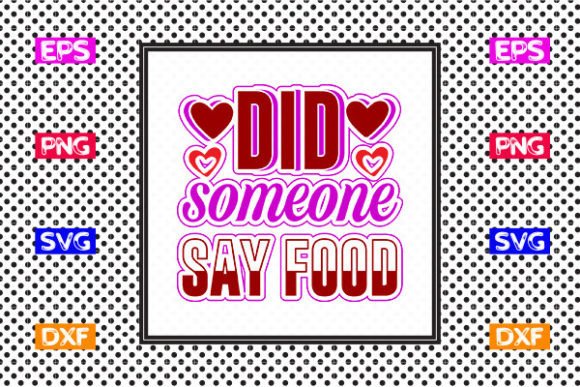
The theme here is relatable domestic chaos mixed with culinary love. The phrase "Did someone say food" paired with "Mom" creates an instant connection with the target audience. Visually, the layout feels balanced, but as a reviewer, I look closer at the letter spacing and curve complexity. For a machine embroidery design, tight kerning can lead to thread breaks or messy jump stitches if not handled correctly.
The mood is lighthearted and casual, which makes it ideal for everyday items rather than formal wear. It fits naturally into the category of custom apparel where personality shines through. However, the simplicity of the concept means the execution must be clean. There is no room for error in simple text-based designs because the eye is drawn immediately to any irregularity in the satin stitch or alignment.
Real-World Application: From Sweatshirts to Tote Bags
I recently tested a similar typography-based design on a mid-weight cotton tote bag, and the results informed my expectations for this file. For Funny Mom SVG Design- Did Someone Say Fo, I envision it working exceptionally well on sweatshirt embroidery. The texture of fleece or French terry provides a stable base that hides minor imperfections, while the bold statement stands out against the fabric.
Consider a tote bag design for a local farmers' market vendor or a busy parent. The design’s playful nature aligns perfectly with the utility of a grocery bag. When stitched as an applique design, it could add dimension and reduce stitch count, making it faster to produce for high-volume craft business orders. Alternatively, using a fill stitch for the letters gives a premium, solid look that customers associate with higher value.
For baby embroidery projects, such as a bib or a onesie, the scale becomes critical. While the sentiment is funny, ensure the size is appropriate for the garment. A massive design on a tiny baby cap looks disproportionate. This is where checking the hoop size compatibility before purchasing or downloading is essential.
Technical Considerations for Embroiderers
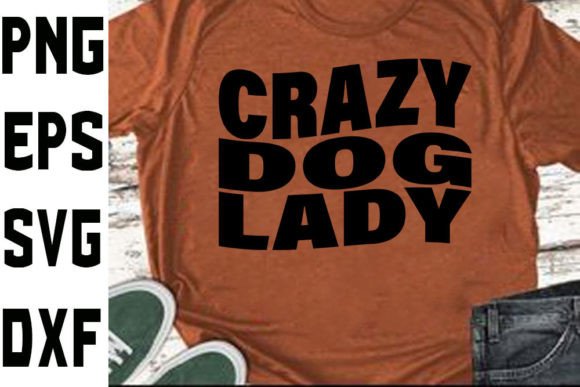
Before loading this into your machine, there are several technical factors to evaluate. Since the product description mentions EPS, SVG, PNG, and DXF files, it is important to clarify that these are primarily vector or raster graphics formats. If you are using these for cutting machines, they are perfect. However, for machine embroidery design use, you typically need specific stitch files like PES, DST, or JEF. If this product includes only graphic files, you will need to digitize it yourself or convert it using software, which requires careful attention to stitch density.
If the file is already digitized for embroidery, check the following:
- Stitch Type: Look for a mix of satin stitch for borders and fill stitch for larger areas. Avoid excessive running stitch in large text blocks as it may look sparse.
- Density: High density on stretchy fabrics like jersey knits can cause puckering. Always use a cut-away stabilizer for garments that will be washed frequently.
- Underlay: Proper underlay stitching is vital for text clarity on textured fabrics. Without it, the letters may sink into the pile of a towel or fleece.
When working with dark fabric, consider using a lighter thread color for high contrast. Conversely, on white cotton, a bold black or navy thread ensures readability. Test your thread colors on scrap fabric first. This step saves time and materials, especially when producing multiple units for an Etsy seller inventory.
Where to Use Caution
Not every surface is suitable for this design. Curved surfaces like caps require specialized digitizing to prevent distortion. If you attempt to stitch this on a structured cap without proper adjustment, the text may warp. Similarly, thin fabric like silk or lightweight rayon requires a tear-away stabilizer and lower tension to avoid damage.
Avoid using this design on items with heavy seams or zippers in the stitching area. The needle hitting a thick seam can break or deflect, ruining the embroidery project. Also, be mindful of tiny lettering. If the design includes small decorative elements, ensure they are large enough to be stitched cleanly. Details smaller than 3mm often get lost in the stitching process.
Boosting Product Value and Brand Consistency
For commercial embroidery professionals, consistency is key. Using a well-balanced design like Funny Mom SVG Design- Did Someone Say Fo can enhance brand recognition. When customers see clean, crisp stitching, they trust the quality of your handmade product. This trust translates into repeat business and positive reviews.
Incorporating this design into a seasonal collection, such as holiday embroidery for Mother’s Day or Thanksgiving, can drive sales. Create printable mockup images showing the design on various products to help customers visualize the final result. High-quality photos of the embroidered patch or stitched garment on social media can significantly increase buyer engagement.
Final Designer Notes
Before finalizing your project, always verify the license terms. Even if the file is labeled for commercial use, confirm whether attribution is required or if there are restrictions on mass production. For digital embroidery file sellers, ensuring that your converted or original files are optimized for different machine brands is a best practice.
- Test stitch on similar fabric to your final product.
- Check thread tension and bobbin thread quality.
- Ensure the design fits within your available hoop size.
- Review the design in black and white to check for contrast issues.
- Confirm that the file format matches your machine’s requirements.
In conclusion, Funny Mom SVG Design- Did Someone Say Fo offers a charming and marketable option for those in the Crafts industry. With careful attention to technical details and fabric choice, it can become a staple in your design assets library. Whether for a personalized gift or a boutique product, the key lies in the execution. Treat each stitch with intention, and the result will be a professional, durable, and delightful piece of art.